
There are tens of thousands of different species of mold growing in the environment in which we live; both indoors and outdoors. Mold is everywhere around us. While some molds are actually beneficial to humans, many types of mold can be detrimental to our health if we are exposed to them. Respiratory problems such as allergies, asthma, and inflammation of the lungs are some of the typical health-related issues caused by exposure to some types of mold. Below is a list of some common mold species which you can find indoors.
TYPES OF MOLD
Free Phone Consultation
Contact us now at (519) 535-4500 for a free phone consultation; or click the button to the right to schedule a phone appointment.
Contact Us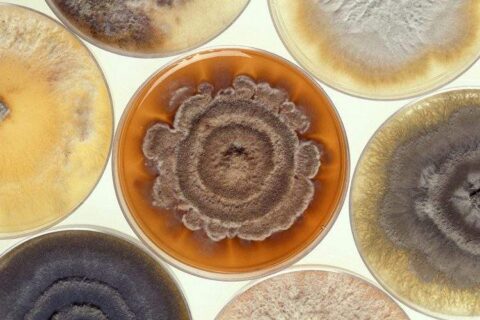
Types Of Mold
Types of Mold Found Indoors
Alternaria (Common After Water Damage)
- Where it shows up: Wet drywall, carpets, and window areas.
- What it can point to: Flooding or recent water damage.
- What to do next: Fix the moisture source and dry fast.
Alternaria is typically an outdoor mold usually found on plants, fruits and vegetables. This mold can also be present indoors where flooding or water damage has occurred. It is usually green, black or grey in colour depending on which species of Alternaria is present.
Aspergillus (Often Found in Attics and HVAC)
- Where it shows up: Attics, ducts, damp drywall, and framing.
- What it can point to: Condensation or ventilation issues.
- What to do next: Check airflow, fix moisture, clean or remove affected materials.
Aspergillus is more common outdoors where decomposition of organic materials takes place, but it can find its way indoors. It can be found in nuts and cereal grains, but can adapt and is common in attics and in homes on things like damp drywall, wood framing and air ventilation systems. Because there are hundreds of species of Aspergillus, the colour can be gold, black, yellow, green, red or brown.
Aureobasidium (Common “Mildew” on Window Sills)
- Where it shows up: Window sills, caulking, and damp bathroom spots.
- What it can point to: Condensation and high humidity.
- What to do next: Improve ventilation and lower indoor humidity.
Aureobasidium can be found in a wide range of plant species and soils in the outdoor environment. Indoors, Aureobasidium appears as either pink or black and is the mold that people commonly refer to as “mildew”. It grows in damp areas such as window sills with condensation and caulking around bath tubs.
Botrytis (Can Show Up in Carpets and Mattresses)
- Where it shows up: Damp carpets, fabrics, and mattresses.
- What it can point to: High humidity or lingering dampness.
- What to do next: Dry thoroughly and replace contaminated porous items.
Botrytis is commonly found on grapes and is useful in the production of sweet wines because it shrinks the fruit and helps concentrate the sugars. On the contrary, Botrytis is not beneficial to other crops and harvested fruits and vegetables. Although it is primarily an outdoor type of soil borne mold, Botrytis has been found in samples of flooring, carpeting and mattresses. It has a grey colour and a fuzzy appearance.
Chaetomium (Musty Odour, Cotton-Like Texture)
- Where it shows up: Water-damaged drywall, paper, and wood.
- What it can point to: A longer-running leak.
- What to do next: Stop the leak and remove affected porous materials.
Chaetomium can be recognized by its musty odour and cotton-like texture. Though Chaetomium is commonly found in plant debris, soil and the air; it has been evident in damp places such as a leaky roof, basement or sinks. Its colour can change over time from white to grey to brown and eventually black.
Cladosporium (Velvety, Olive-Green to Dark)
- Where it shows up: Window sills, painted surfaces, and textiles.
- What it can point to: Condensation on cool surfaces.
- What to do next: Reduce humidity and improve airflow.
Cladosporium can grow in temperatures ranging from cool to tropical and is found outdoors on decaying plant material and in soils. Indoors Cladosporium is frequently found in window sills, carpeting and paint and can be recognized by its velvety appearance ranging from an olive-green colour to a greenish-black colour.
Fusarium (Stagnant Water and Wet Materials)
- Where it shows up: Wet materials, HVAC parts, and drain pans.
- What it can point to: Stagnant water or chronic dampness.
- What to do next: Remove standing water and dry/replace wet materials.
Fusarium is found outdoors in soil and plant debris affecting crops such as barley, bananas and cocoa. Its velvety texture is typically white, pink, salmon or grey coloured. Fusarium can be found indoors where stagnant water is present such as humidifier pans, HVAC systems, wet carpeting, wallpaper and mattresses.
Penicillium (Often Blue-Green and Airborne)
- Where it shows up: Dust, insulation, carpeting, and drywall.
- What it can point to: Hidden moisture or past water damage.
- What to do next: Fix moisture and clean or remove affected materials.
Penicillium has beneficial species that are used in the medical field in the manufacture of antibiotics, and in cheese production such as Brie, Camembert and Rochefort. Indoors Penicillium can be found in areas with low humidity levels, typically in the air, and at times it’s present in ceiling tiles. Some species have a bluish-green fuzzy appearance as you find on moldy bread. Typically Penicillium is grouped with Aspergillus as Penicilliium/Aspergillus as these mold types are so similar and often undistinguishable from each other.
Stachybotrys chartarum (“Black Mold” Concerns)
- Where it shows up: Very wet drywall, ceilings, and insulation backing.
- What it can point to: Sustained moisture over time.
- What to do next: Don’t disturb it dry; fix moisture and use proper removal methods.
Stachybotrys Chartarum is probably the most known and feared mold to humans and is commonly referred to as “black mold” because of its black slimy appearance. While the mold itself is not toxic, it does produce toxins in its spores which can become airborne and affect your health. Indoors Stachybotrys Chartarum is commonly found in areas that have had exposure to moisture and high humidity for extended periods such as window sills, walls, ceilings, flooring and insulation and wood in attics. This type of mold is rarely present in the outdoor environment. For black mold removal, book an inspection so we can confirm the seriousness of the growth.
Serpula lacrymans (Wood Decay / “Dry Rot”)
- Where it shows up: Damp structural wood and framing.
- What it can point to: Ongoing moisture in wood.
- What to do next: Fix moisture and replace compromised wood.
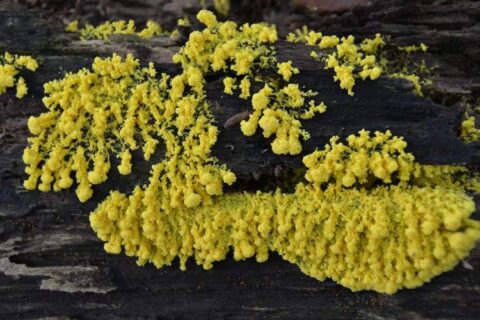
Serpula Lacrymans is typically a yellow coloured mold which feeds off of wood and wood products. It can be found outdoors and indoors, and is the mold responsible for what is known as “dry rot”. Serpula Lacrymans is commonly present in wood that has been exposed to moisture such as beams and attic rafters.
Trichoderma (Moisture-Heavy Areas)
- Where it shows up: Damp drywall, wood, and wallpaper.
- What it can point to: High moisture or recurring leaks.
- What to do next: Dry the area fully and prevent repeat dampness.
Trichoderma is a soil borne mold which can vary from white to green to black in colour. Similar to “black mold”, exposure to Trichoderma spores can cause severe respiratory health issues in humans. It can be found in areas exposed to high moisture such as bathrooms and kitchens and is often present in HVAC systems, wallpaper and wood products that have been exposed to moisture.
Ulocladium (Usually a Sign of Ongoing Leaks)
- Where it shows up: Water-damaged materials and dusty, damp areas.
- What it can point to: Ongoing leaks or repeated wetting.
- What to do next: Find the leak, dry fast, and remove contaminated porous items.
Ulocladium requires a high level of moisture to grow, so it is usually present indoors in areas that have been exposed to extreme water damage, or have a continual supply of water such as leaking roofs, plumbing pipes, or cracked foundation walls. Outdoors, Ulocladium is found in soil and very wet areas where plant decay is evident. Its texture resembles suede and it can vary in colour from brown to grey to black.
Why You Can’t Confirm Mold by Appearance Alone
As you can see, there are many types of common mold that can be found in your indoor living spaces which can have adverse affects on your health. It can be difficult to determine which type of mold is present just by looking at it, as many types of mold have similar colours and appearances. This is why it is important to contact a professional Mold Removal company such as MoldCare to perform a Mold Inspection to find out exactly what you are dealing with and how you can safely and effectively have it removed.
Contact MoldCare today to have your mold removed. We serve Kitchener/Waterloo and surrounding areas, as well as Toronto and the GTA. Call Us or visit our Contact Page.